The Art of Patina: Transforming Leather Over Time
In the world of leather craftsmanship, the passage of time is not just a chronological marker; it’s a brush that paints stories on the surfaces of well-worn leather. The art of patina is a journey – a visual narrative of the life a leather item has lived.
As the years unfold, the leather breathes, ages, and develops a unique character that tells a tale of adventures, memories, and enduring craftsmanship.
Join us as we explore the captivating artistry of patina, where the beauty lies in the transformation of leather over time.
Understanding Patina: A Living Canvas
At its essence, patina is the natural and gradual change in the appearance of leather over time. It is a testament to the quality of the material and the craftsmanship invested in its creation. Unlike artificial finishes that seek to freeze a leather item in its pristine state, patina embraces the organic evolution of the material, turning it into a living canvas that captures the essence of its journey.
The Influence of Wear and Exposure
Patina is not a one-size-fits-all phenomenon; it is highly influenced by the unique conditions to which the leather is exposed. The way a leather bag ages with daily use, the effect of sunlight on a wallet, or the gradual darkening of leather on a well-loved pair of shoes—all these contribute to the distinctive patina that develops over time. It’s a marriage of wear, exposure, and the natural oils from human contact that work together to shape the leather’s character.
Natural Color Evolution
Leather begins its life with a specific color, but as it ages, this color often undergoes a fascinating transformation. Lighter hues may darken, and darker tones may develop a richer, nuanced depth. The natural oils from the skin and the environment seep into the leather, creating a patina that is uniquely tied to the lifestyle and experiences of its owner.
Texture and Wrinkles: The Markers of Time
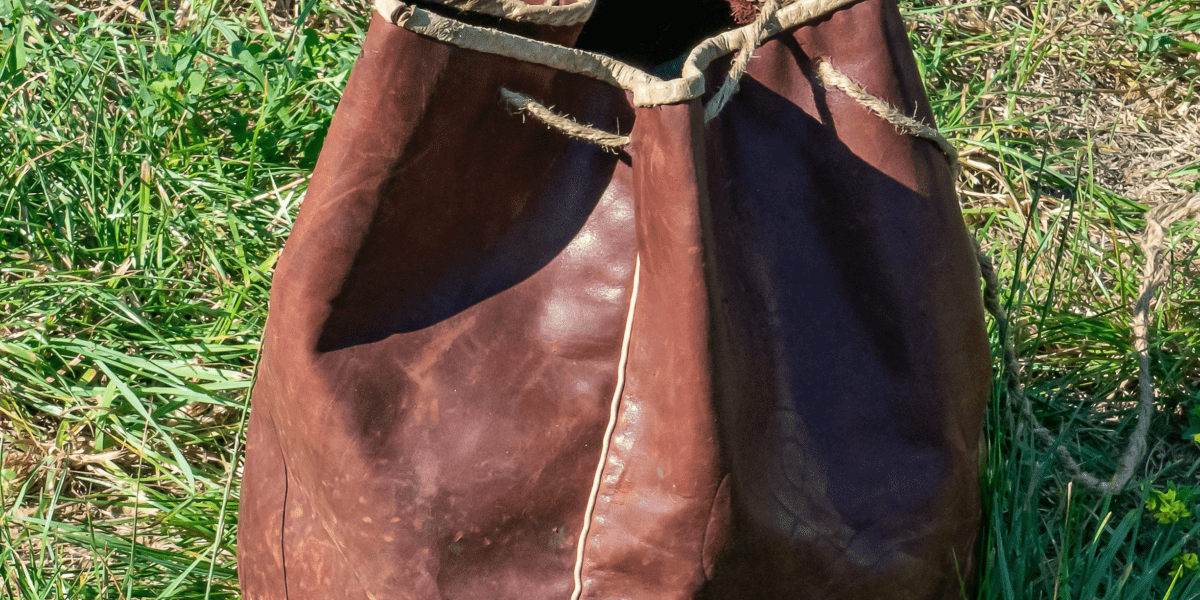
Just as patina affects color, it also leaves its imprint on the texture of the leather. With time and use, leather softens and gains a supple feel. Fine lines, wrinkles, and creases become part of the leather’s charm, showcasing the history of the material. These textural nuances not only add character but also elevate the leather item to a level of tactile artistry.
Embracing Imperfections
One of the most enchanting aspects of patina is its celebration of imperfections. Scuffs, scratches, and small blemishes become part of the leather’s story. Instead of detracting from the beauty, these imperfections enhance it, creating a visual tapestry that speaks to the resilience and authenticity of the material.
The Role of Care and Maintenance
While patina is a natural process, proper care and maintenance play a role in influencing its trajectory. Regular cleaning, conditioning, and protecting against harsh elements can contribute to a more controlled and even patina development. However, it’s the balance between care and the organic aging process that produces the most captivating results.
Patina as a Unique Expression
Every leather item tells a different story through its patina—a story shaped by the habits, adventures, and environments it encounters. A well-traveled leather backpack may carry the marks of mountain hikes and urban escapades, while a cherished leather journal may exhibit the imprints of countless moments of introspection. Patina is, in essence, a unique expression of the owner’s journey with the leather.
The Artisan’s Perspective
From the artisan’s point of view, patina is the culmination of craftsmanship meeting the hands and lives of individuals. Artisans often embrace the evolution of their creations, taking pride in the fact that their work becomes a canvas for personal stories. This perspective adds a layer of intentionality to the design and construction of leather items, knowing that they are meant to age gracefully and carry the imprints of time.