Tools of the Trade: Essential Equipment for Blacksmiths
In the ancient craft of blacksmithing, the rhythmic symphony of hammer on anvil and the dance of molten metal require a precise set of tools.
From the traditional to the modern, a blacksmith’s workshop is a treasure trove of essential equipment that transforms raw materials into works of art.
Join us on a journey through the essential tools of the blacksmith’s trade, where each piece plays a crucial role in the creation of enduring craftsmanship.
Anvil: The Heartbeat of the Forge
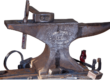
At the center of every blacksmith’s workshop stands the anvil – an iconic symbol of the craft. The anvil serves as the foundation for shaping metal, absorbing the force of the hammer blows and providing a sturdy surface for intricate work. Anvils come in various shapes and sizes, each tailored to different types of forging.
Hammer: Precision in Every Strike
The hammer is an extension of the blacksmith’s hand, and its selection is a matter of personal preference. From cross-peen and ball-peen hammers to straight-peen and rounding hammers, each type serves a specific purpose in shaping the metal with precision. A blacksmith’s skill is often defined by the mastery of the hammer.
Tongs: The Blacksmith’s Hands
Tongs are indispensable for handling hot metal safely. With their long handles and gripping jaws, tongs allow blacksmiths to maneuver and position the material in the fire and on the anvil. A variety of tongs, designed for different shapes and sizes, ensures versatility in the workshop.
Forge Harnessing the Power of Heat
The forge is the crucible of transformation in blacksmithing. Traditional coal forges and modern gas forges provide the intense heat needed to make metal malleable. The choice between coal and gas forges depends on the blacksmith’s preference and the specific requirements of the project.
Quenching Tank Cooling Hot Metal
After the intense heat of the forge, hot metal needs to be rapidly cooled to achieve the desired hardness. A quenching tank filled with water, oil, or other quenching mediums is essential. The choice of quenching medium depends on the type of metal being worked and the desired properties.
Vise Stabilizing the Workpiece
A sturdy vise is crucial for securing the workpiece in place while the blacksmith hammers, bends, or twists the metal. The vise provides stability and allows for precise control during intricate forging processes.
Fuller and Swage Blocks: Shaping with Precision
Fullers are tools used for spreading and shaping metal, creating grooves or indentations. Swage blocks, often featuring a variety of shapes and forms, serve as versatile molds for forming hot metal into specific designs. Together, these tools enable the blacksmith to achieve intricate and precise shapes.
Chisels and Punches: Adding Detail
Chisels and punches are essential for adding detail and texture to the metal. Whether creating intricate designs or punching holes for fasteners, these tools allow the blacksmith to impart unique characteristics to the finished piece.
Hardy Tools: Versatile Attachments
Hardy tools are versatile attachments that fit into the hardy hole on the anvil. From bending forks and hot cuts to scrolling tools, hardy tools expand the blacksmith’s capabilities, enabling a wide range of techniques and designs.
Safety Gear: Protecting the Artisan
Safety is paramount in blacksmithing, and proper safety gear is non-negotiable. This includes heat-resistant gloves, safety glasses, aprons, and ear protection. The intense heat and potential hazards demand a commitment to personal safety in the workshop.