Innovation in Tradition Modern Techniques in Blacksmithing
In the ancient craft of blacksmithing, where the ring of hammers and the glow of hot metal
create a timeless symphony, innovation is not often associated with tradition.
However, as we delve into the world of modern blacksmithing, a fascinating narrative unfolds—a narrative of innovation seamlessly interwoven with time-honoured techniques.
Join us on a journey into the forge, where the echoes of tradition harmonize with the hum of modernity, revealing the dynamic and evolving landscape of contemporary blacksmithing.
The Resurgence of Blacksmithing
In recent years, there has been a remarkable resurgence of interest in traditional crafts, including blacksmithing. Far from being a fading relic of the past, blacksmithing has found new life as artisans, hobbyists, and even industrial designers rediscover the allure of working with fire, hammer, and anvil. This revival has sparked a parallel movement—a movement that marries the rich traditions of blacksmithing with cutting-edge technologies and innovative approaches.
Modern Tools in the Forge
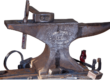
One of the significant innovations in contemporary blacksmithing lies in the tools used in the forge. While the anvil and hammer remain indispensable, modern blacksmiths are integrating power hammers, hydraulic presses, and pneumatic tools into their workflows. These tools amplify the efficiency of the forging process, allowing for precision and speed that were once unimaginable.
Gas forges, equipped with precise temperature controls, have replaced traditional coal forges in many workshops. This transition enhances the blacksmith’s ability to manipulate the temperature of the metal with precision, resulting in greater control over the forging process. These advancements not only increase productivity but also open up new possibilities for intricate and detailed work.
Metallurgical Advancements
In addition to advancements in tools, modern blacksmiths benefit from a deeper understanding of metallurgy. Innovations in alloy development, heat-treating techniques, and the study of material science empower blacksmiths to explore a broader range of metals and alloys. This knowledge allows for the creation of blades with superior edge retention, decorative elements with enhanced durability, and a greater overall mastery of the material.
Crossover with Art and Design
Contemporary blacksmiths are increasingly embracing their roles as both craftsmen and artists. The integration of blacksmithing with art and design has resulted in awe-inspiring creations that transcend the boundaries of traditional craftsmanship. Sculptures, intricate gates, and avant-garde functional pieces showcase the fusion of artistic expression with the time-honoured techniques of blacksmithing.
Educational Outreach and Community Building
The digital age has facilitated the sharing of knowledge and techniques within the blacksmithing community. Online platforms, forums, and social media connect blacksmiths from around the world, enabling the exchange of ideas, tips, and inspiration. Additionally, educational initiatives, workshops, and schools dedicated to blacksmithing have proliferated, ensuring that the craft remains vibrant and accessible to enthusiasts of all skill levels.
Preserving Tradition Through Innovation
While modern techniques have undeniably transformed the landscape of blacksmithing, the essence of the craft remains deeply rooted in tradition. Skilled blacksmiths honour the time-tested methods that have been passed down through generations, recognizing the importance of preserving the authenticity and integrity of the craft. Innovation serves as a complementary force, breathing new life into tradition and ensuring the continued relevance of blacksmithing in the contemporary world.