Forging Traditions: The History of Blacksmithing Techniques
In the records of craftsmanship, few trades have left as indelible a mark on history as blacksmithing.
The rhythmic clang of hammer on anvil, the dance of sparks in the forge, and the skilled manipulation of red-hot metal have been defining characteristics of this ancient art. Join us as we journey through time to explore the rich history of blacksmithing techniques, from their humble beginnings to the sophisticated and diverse methods employed by modern blacksmiths.
The Birth of the Anvil and Hammer (approx. 1200 BCE)
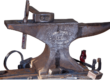
Blacksmithing’s origins can be traced back to the dawn of the Iron Age, around 1200 BCE, when early metalworkers discovered the transformative power of heat on malleable metals. The anvil, a sturdy block of metal, and the hammer became the foundational tools of the blacksmith’s trade. This simple yet ingenious combination allowed craftsmen to shape raw iron into a variety of functional tools and weapons, marking the birth of a craft that would endure for millennia.
Medieval Mastery (approx. 12th century)
The medieval period witnessed the refinement and codification of blacksmithing techniques. As the demand for weapons and armor surged, blacksmiths became revered artisans, often organized into guilds to preserve and pass down their closely guarded knowledge. Techniques for folding, welding, and tempering metal were developed, contributing to the production of high-quality swords and armor that defined the age of knights and chivalry.
The Artistry of Renaissance Blacksmiths (approx. 16th century)
The Renaissance brought about a shift in the role of the blacksmith from mere craftsman to artist. Blacksmiths began to integrate artistic elements into their work, creating ornate gates, decorative railings, and intricate sculptures. Techniques such as repoussé (metalworking by hammering from the reverse side) and chasing (embossing metal) flourished, showcasing the fusion of functionality and artistic expression.
The Industrial Revolution and Technological Advances (early 19th century)
The advent of the Industrial Revolution in the 18th century transformed the landscape of blacksmithing. Traditional hand forging faced competition from mass production methods. However, the craft adapted and adopted new technologies. Steam-powered hammers and improved metallurgical processes allowed for more efficient production, while traditional techniques were preserved by those who sought to uphold the artisanal spirit of blacksmithing.
Modern Revival and Contemporary Techniques (1970's - 1980's)
In recent decades, there has been a resurgence of interest in traditional crafts, including blacksmithing. Modern blacksmiths draw inspiration from historical techniques while incorporating contemporary innovations. The use of power hammers, gas forges, and advanced metallurgical knowledge has expanded the possibilities for intricate and precise metalwork. Artists and craftspeople continue to experiment with new alloys, surface treatments, and forms, pushing the boundaries of what is possible in the realm of blacksmithing.
Preserving the Craft (late 20th century to the present)
Today, blacksmithing is not merely a historical relic; it is a living, breathing tradition. Schools, workshops, and blacksmithing societies around the world work tirelessly to preserve and disseminate the knowledge of traditional techniques. The art of the blacksmith endures as a testament to human ingenuity, adaptability, and the timeless appeal of crafting with one’s hands.
The history of blacksmithing techniques is a story of evolution, adaptation, and artistic expression.
From its humble beginnings in the Iron Age to the present day, blacksmithing has evolved into a multifaceted craft that bridges the gap between tradition and innovation.
As we continue to forge ahead in the 21st century, the techniques of the blacksmith remain a powerful symbol of the enduring human spirit and the ability to shape raw materials into functional and beautiful works of art.