The Art of Blacksmithing: A Journey Through Time
In the annals of human history, few crafts have stood the test of time like blacksmithing.
The rhythmic clang of the hammer meeting hot metal, the dance of sparks in the forge, and the skilled hands shaping raw iron into functional works of art – these are the timeless elements that define the ancient craft of blacksmithing.
Join us on a journey through time as we explore the rich history, evolution, and enduring allure of the art of blacksmithing.
The Ancient Forge:
The origins of blacksmithing are deeply rooted in antiquity, stretching back to the Bronze Age, where early metalworkers discovered the transformative power of heat on malleable metals. As humans transitioned from the Stone Age to the Iron Age, the blacksmith emerged as a pivotal figure, turning raw ores into essential tools and weapons. The anvil, hammer, and forge became the sacred trinity of the blacksmith’s workshop, marking the birth of a craft that would shape civilizations.
Medieval Mastery:
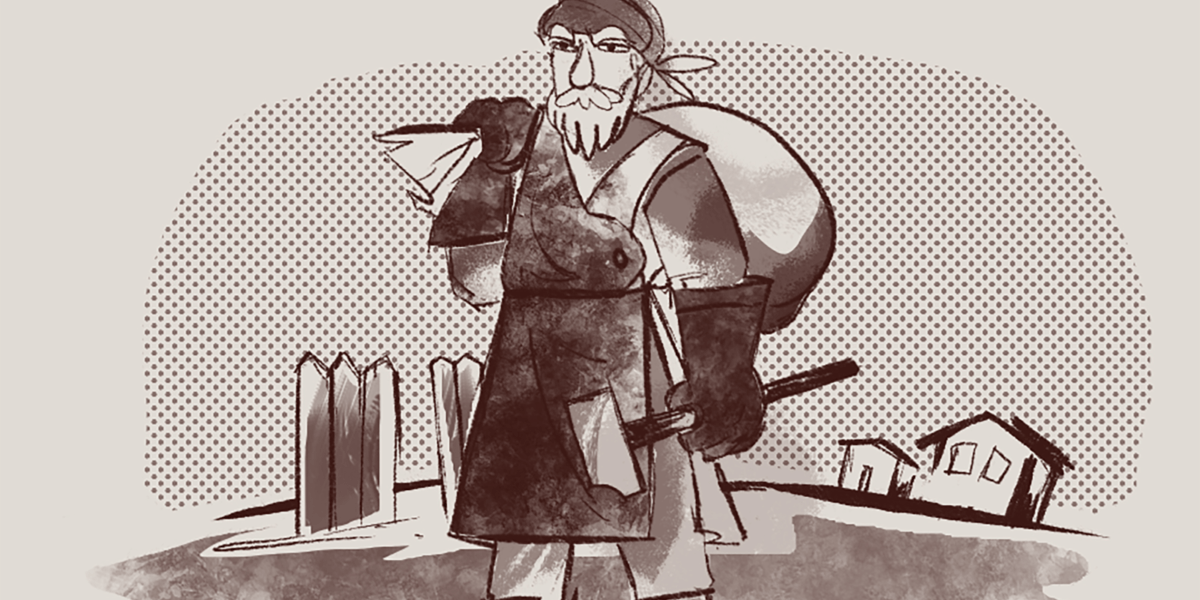
The medieval period witnessed the zenith of blacksmithing, as the demand for weapons, armor, and tools reached unprecedented levels. Blacksmiths were revered artisans, often working in guilds and passing down their closely guarded techniques from one generation to the next. The iconic image of the blacksmith toiling over the forge, forging swords and armor for knights, has become a symbol of this golden age of craftsmanship.
The Renaissance Revival:
As Europe transitioned into the Renaissance, the focus of blacksmithing expanded beyond the purely functional. Master blacksmiths began to infuse artistic elements into their work, creating ornate gates, intricate railings, and decorative pieces that adorned palaces and cathedrals. The fusion of form and function marked a renaissance within the craft, elevating blacksmithing to an art form.
The Industrial Revolution and Beyond:
With the advent of the Industrial Revolution, traditional blacksmithing faced challenges from mass production and modern manufacturing techniques. However, the craft persevered, finding new niches and embracing artistic expression. Today, contemporary blacksmiths continue to push the boundaries of the craft, blending traditional techniques with modern innovation to create unique, handcrafted pieces.
The Modern Blacksmith:
In the 21st century, the art of blacksmithing is experiencing a resurgence, driven by a growing appreciation for handmade, artisanal goods. Blacksmiths around the world are rediscovering traditional methods, experimenting with new materials, and using their skills to forge both functional tools and stunning works of art. The allure of a hand-forged piece, shaped by the intimate connection between the craftsman and the material, resonates with a society yearning for authenticity in a digital age.