Mastering the Anvil: A Beginner's Guide to Blacksmithing
In a world inundated with mass-produced goods, the ancient craft of blacksmithing stands as a testament to the enduring appeal of handmade craftsmanship.
The rhythmic clinking of the hammer against the anvil, the dance of sparks in the forge, and the transformative magic of turning raw metal into functional art – these are the hallmarks of blacksmithing.
If you’ve ever been enchanted by the idea of creating with your hands and want to embark on a journey into the world of metalworking, this beginner’s guide to blacksmithing is the perfect place to start.
The Anvil: Heart of the Forge:
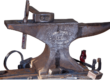
At the heart of every blacksmith’s workshop is the anvil, a sturdy block of metal that serves as the foundation for shaping and molding hot metal. Choosing the right anvil is crucial for any aspiring blacksmith. Consider factors such as size, weight, and material to ensure your anvil provides the necessary support for your projects.
The Essential Tools:
Before you dive into the world of blacksmithing, it’s essential to familiarize yourself with the basic tools of the trade. The hammer, tongs, and chisels are your companions in the forge. Each tool has a specific purpose, from shaping and flattening to twisting and punching. Invest in high-quality tools, and you’ll find that they become an extension of your creative vision.
Understanding the Forge:
The forge is the beating heart of the blacksmith’s workshop, where raw metal is heated to a malleable state. Traditional forges use coal or propane, each with its own advantages. Understand the mechanics of your forge, control the temperature, and master the art of managing the fire to achieve the desired results in your projects.
Safety First:
Working with hot metal involves inherent risks, and safety should always be a top priority. Invest in proper safety gear, including heat-resistant gloves, safety glasses, and an apron. Learn the proper techniques for handling tools, moving hot metal, and working around the forge to ensure a safe and enjoyable blacksmithing experience.
Basic Techniques for Beginners:
Start your blacksmithing journey by mastering fundamental techniques. Learn to draw out metal, taper, upset, and bend. Practice making simple hooks and nails to hone your skills before progressing to more complex projects. Embrace the learning process, and don’t be afraid to make mistakes – they are an integral part of the journey to mastery.
Building a Foundation:
As you progress in your blacksmithing journey, consider taking classes, attending workshops, or joining a local blacksmithing community. Learning from experienced blacksmiths and sharing experiences with fellow enthusiasts can provide invaluable insights and accelerate your growth as a blacksmith.