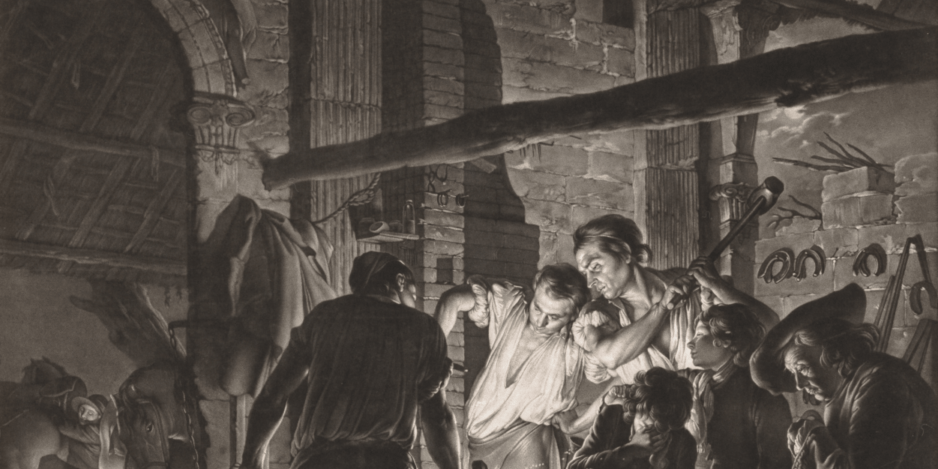
Forging Bonds: Community and Collaboration in Artisan Workshops
In the world of artisanal craftsmanship, where hands shape materials into works of art, there exists a unique camaraderie – the forging of bonds within the artisan workshop. Beyond the clang of hammers on anvils and the dance of molten metal, there lies a community where collaboration is not just a method of creation but a philosophy that breathes life into the craft.
Join us as we explore the profound significance of community and collaboration in artisan workshops,
where the bonds formed are as enduring as the craftsmanship itself.
The Workshop as a Creative Sanctuary
An artisan workshop is more than a space for crafting; it is a sanctuary where creativity flourishes, and the shared passion for the craft forms the foundation of a community. Within these hallowed walls, artisans converge, bringing diverse skills, experiences, and perspectives, creating an environment that nurtures collaboration.
Knowledge Sharing Preserving Craftsmanship
In artisan workshops, the exchange of knowledge is a cornerstone of the community. Master artisans share their expertise with apprentices, passing down centuries-old techniques, secrets of the trade, and the nuances that make each craft unique. This mentorship not only ensures the preservation of craftsmanship but also fosters a sense of continuity and tradition.
Collaborative Learning Growing Together
Artisan workshops are dynamic spaces where learning is a collaborative endeavor. Artisans of different skill levels collaborate on projects, share insights, and collectively problem-solve. This collaborative learning approach accelerates skill development, encourages innovation, and creates an atmosphere where every artisan contributes to the collective growth of the workshop.
Specialization and Teamwork Playing to Strengths
In artisan workshops, each individual often brings a unique set of skills and strengths to the table. Collaboration allows for the specialization of tasks, where artisans can focus on what they do best. Whether it’s the precision of a blacksmith’s hammer or the intricacies of leather tooling, playing to individual strengths within a collaborative framework enhances overall craftsmanship.
Cross-Craft Collaboration Fusion of Artistry
Some of the most captivating creations emerge from the collaboration between artisans from different crafts. A blacksmith might collaborate with a leatherworker, a woodworker, or a glassblower, resulting in pieces that transcend the boundaries of individual disciplines. This cross-craft collaboration not only sparks innovation but also produces truly unique, interdisciplinary works of art.
Community Support and Encouragement Weathering Challenges
The artisan’s journey is not without its challenges, and the workshop community becomes a support network during difficult times. Whether it’s overcoming technical obstacles, navigating market fluctuations, or finding inspiration during creative lulls, the sense of community fosters an environment of mutual support and encouragement.
Celebrating Achievements Shared Triumphs
In artisan workshops, every triumph is a shared victory. Whether it’s completing a challenging project, receiving recognition for craftsmanship, or achieving a significant milestone, the joy is collective. The workshop community becomes a source of celebration, amplifying the sense of achievement and reinforcing the bonds that hold the artisans together.
Cultural Preservation and Innovation Crafting Identity
Artisan workshops are often integral to preserving cultural identity through traditional crafts. At the same time, the spirit of collaboration encourages innovation and the incorporation of contemporary elements. This delicate balance between tradition and innovation within a community ensures that the craft remains relevant while honouring its roots.
Market Presence Collective Impact
As artisans navigate the marketplace, the collective impact of a workshop community can be substantial. Joint exhibitions, collaborative projects, and shared marketing efforts amplify the visibility of the artisans, creating a stronger presence in the market. This collaborative approach not only benefits individual artisans but also contributes to the recognition of the workshop as a whole.