Crafting Character: The Significance of Handmade Leather Goods
In a world of mass production and rapid consumption, the allure of handmade goods has never been more compelling.
Handcrafted items possess a unique charm and character that set them apart from their factory-made counterparts. Nowhere is this more evident than in the realm of handmade leather goods. From the meticulous stitching to the supple feel of hand-treated leather, each piece tells a story of craftsmanship, individuality, and a connection between the artisan and the material.
Join us as we delve into the significance of handmade leather goods and the enduring appeal of crafting character.
The Human Touch
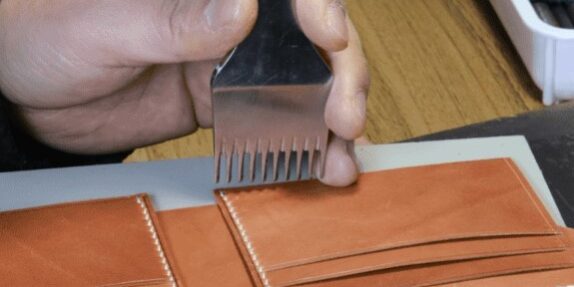
At the heart of every handmade leather good is the human touch. Unlike items churned out by machines, each handmade piece carries the imprints of the artisan’s hands—hands that have carefully shaped, cut, and stitched the leather. This touch infuses a sense of warmth, personality, and soul into the final product, making it more than just an object; it becomes a tangible expression of the craftsman’s skill and passion.
Quality Over Quantity
Handcrafted leather goods epitomize the pursuit of quality over quantity. Artisans meticulously select premium hides, paying attention to the unique characteristics and imperfections that add character to the leather. Every stitch is purposeful, every cut intentional. This commitment to quality ensures that each item is not just durable but also ages gracefully, developing a patina that tells a story of its journey through time.
Individuality and Customization
One of the defining features of handmade leather goods is their individuality. Mass-produced items lack the personal touch that comes from an artisan crafting a piece with care and attention to detail. Handmade leather goods can be customized to suit personal preferences, from choosing the type of leather to selecting the color, stitching, and hardware. This level of customization transforms each item into a unique reflection of its owner’s style and personality.
Sustainability and Ethical Practices
The move towards sustainable and ethical consumerism has sparked a renewed interest in handmade goods. Artisans who prioritize quality over quantity often source their materials responsibly, using environmentally friendly processes and supporting ethical practices. Handmade leather goods, with their emphasis on longevity and repairability, contribute to a more sustainable and conscious approach to consumption.
A Connection to Tradition
Handmade leather goods are not just about the present; they are a continuation of a rich tradition that stretches back through centuries. The techniques employed by skilled leather artisans have been passed down through generations, preserving the artistry and expertise that defines the craft. Owning a handmade leather piece is like holding a piece of history, a link to the time-honored traditions of craftsmanship.
Supporting Local Artisans
Choosing handmade leather goods is not just a personal choice; it’s a commitment to supporting local artisans and small businesses. Many leather craftsmen operate independently or within small workshops, and each purchase directly contributes to sustaining their livelihoods. This support fosters a sense of community and helps to preserve the diversity and richness of craftsmanship in a globalized world.